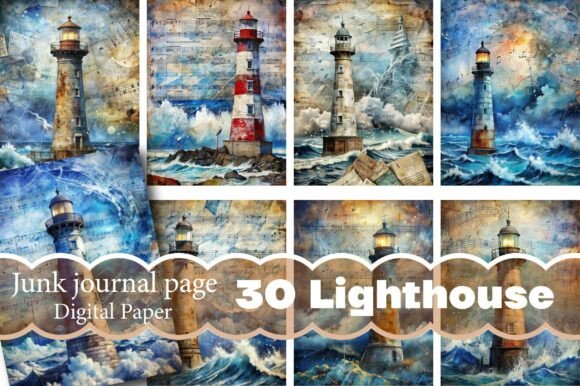
Lighthouse Junk Journal Pages: A Creative's Guide
There’s a certain romance to a lighthouse—standing steadfast against the elements, a beacon of guidance and warmth. Translating that feeling into a tangible, versatile design asset is exactly what Lighthouse Junk Journal Pages accomplishes. This isn’t just a collection of maritime-themed graphics; it’s a toolkit for infusing your projects with a sense of handmade charm, coastal serenity, and timeless appeal. The visual style leans into a textured, slightly vintage aesthetic, featuring soft watercolor washes, intricate nautical line art, and elements that feel carefully curated from a sea captain’s scrapbook. The personality is warm, nostalgic, and incredibly adaptable, making it far more than a single-use decorative set.
Visual Personality: More Than Just Nautical
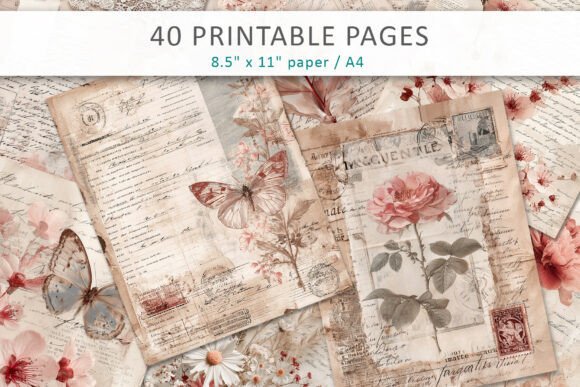
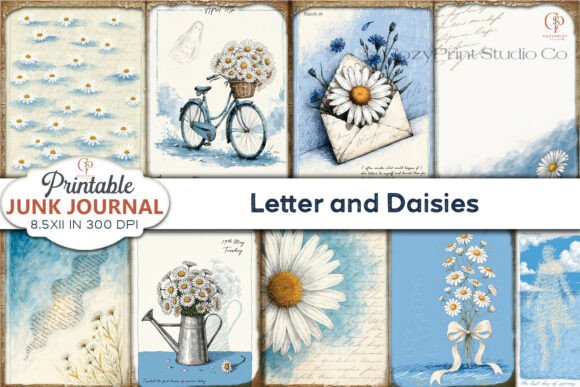
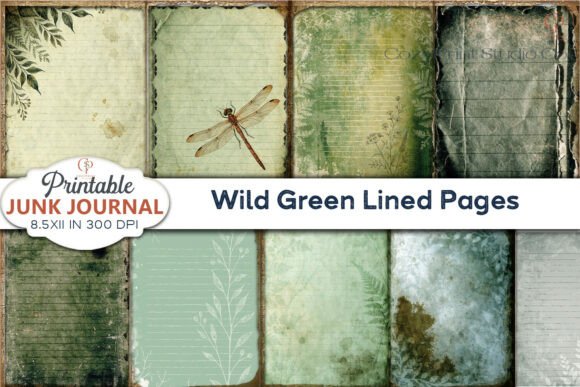
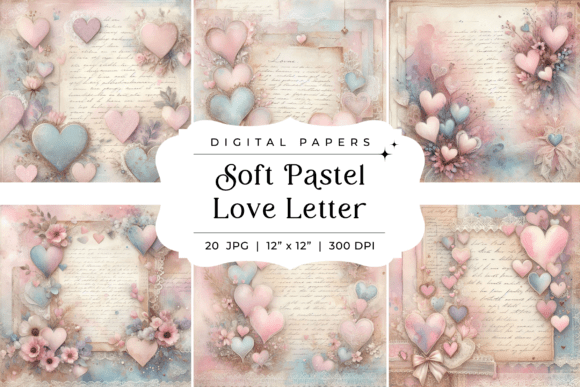
The core appeal of these pages lies in their layered, tactile quality. Think of faded parchment textures, subtly distressed edges, and a color palette that evokes sun-bleached wood, deep ocean blues, and the soft glow of a lantern. This isn’t a sterile, digital-looking set. The elements have an organic, slightly imperfect quality that adds instant character and authenticity to any project. This style sits beautifully at the intersection of modern typography and vintage illustration, offering a balance that feels both current and classic. The graphics are delivered in high-resolution JPG format, ensuring crisp detail for everything from print design to sublimation and large-scale poster making.
Practical Applications Across the Creative Spectrum
The true strength of Lighthouse Junk Journal Pages is its remarkable versatility. For designers and brand strategists, it’s a secret weapon for creating cohesive brand identity materials with a distinct, artisanal feel. Imagine a coastal café’s menu, a boutique hotel’s welcome packet, or a specialty food brand’s packaging design—all elevated with these textures and motifs to tell a richer story.
Digital & Commercial Projects
In the digital realm, these assets are invaluable. They can transform a standard website background into an engaging visual narrative, or serve as the foundation for compelling social media graphics that stop the scroll. Marketers and content creators can use them to design eye-catching digital presentations, unique blog headers, or stylish digital planner covers. The high-resolution files are perfect for creating premium font companion graphics or standout logo design elements for businesses with a coastal, vintage, or artisanal vibe.
Print & Physical Crafts
For the hands-on creator, the applications are endless. Crafters and hobbyists will find them ideal for scrapbooking, creating one-of-a-kind greeting cards, or designing elegant party invitations for events from baby showers to weddings. The textures are perfect for decoupage art on furniture, trays, or mugs. They can be printed onto sticker paper for custom sticker creation, used to design unique notebooks or junk journals, or even adapted for wind spinner design. The versatility extends to t-shirt transfers, tumbler wraps, and gift wrapping paper, adding a cohesive, professional touch to personal or commercial products.
Integrating into Your Design Workflow
Using an asset like this effectively requires a bit of strategic thinking. It’s not a display font you simply drop in; it’s a foundational layer. Here’s how to approach it:
- Evaluate the Project Fit: Does your project call for warmth, texture, and a handmade quality? If you're designing for a tech startup or a minimalist fashion brand, this might not align. But for a bakery, a travel blog, a children’s book, or a wellness brand, it could be perfect.
- Think in Layers: Use these pages as backgrounds or textural overlays. Pair them with clean, modern sans serif fonts for contrast, or with a classic serif font for a more traditional feel. A handwritten font or script font can complement the casual, personal vibe beautifully.
- Test for Readability: Always check how your chosen typeface interacts with the background. Ensure there is enough contrast, especially for body text. You may need to place text within a semi-transparent shape or use the graphics in less busy areas of the design.
- Review the Included Styles: A good collection will offer variety. Look for pages with different dominant colors, levels of texture, and compositional layouts (e.g., some with open space for text, others more densely patterned).
- Understand Commercial Licensing: This is non-negotiable for professional use. Ensure the license covers your intended application, whether it’s for a client’s website design, products for sale on an Etsy shop, or event invitations you’re printing for a business.
Ultimately, Lighthouse Junk Journal Pages is more than a set of design assets. It’s a starting point for creating work that feels personal, storied, and visually engaging. By understanding its aesthetic strengths and applying it thoughtfully, you can consistently produce designs—from editorial design layouts to book covers to business card textures—that resonate deeply with your audience and stand out in a crowded digital landscape. The key is to use it not as a crutch, but as a catalyst to bring a unique, human touch to your creative projects.